Enterprise Insights
Building Scalable Cloud Architecture on AWS & Azure for Global Scale
Dec 01, 2023 · 13 Min Read
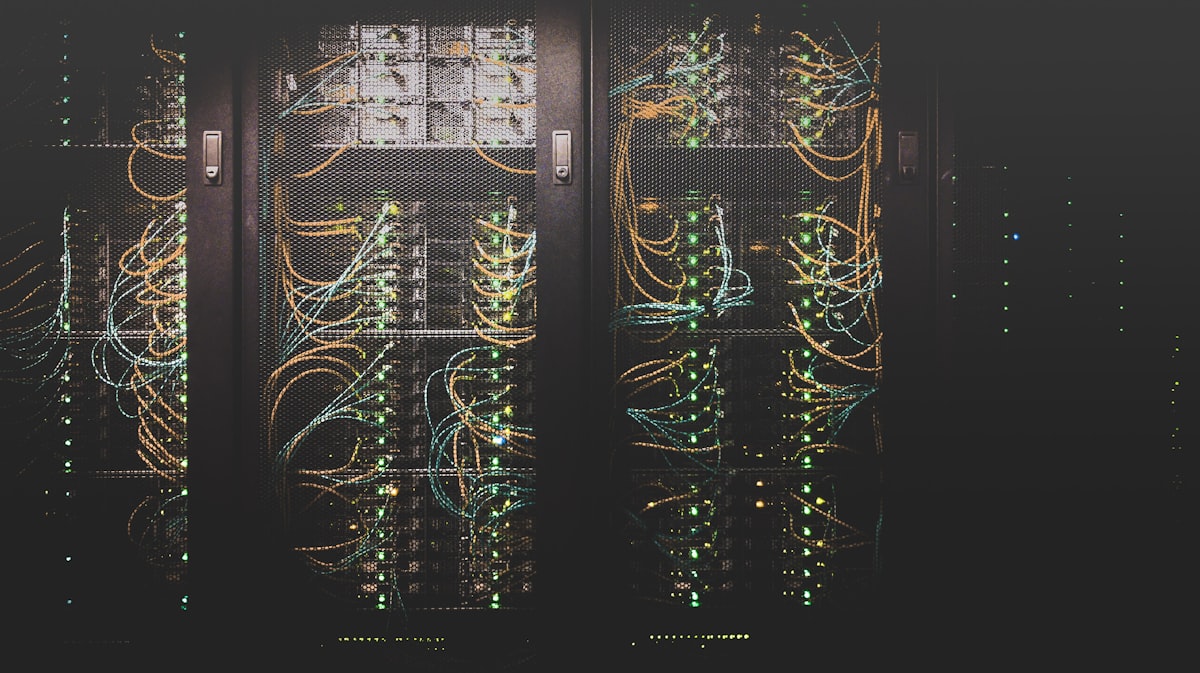
Architecture Blueprint: Modern global infrastructure requires resilient multi-region deployments, automated container orchestration, distributed caching, and strict FinOps cost governance to achieve 99.99% availability at scale.
Architecting enterprise applications for global hyperscale is one of the most demanding engineering challenges in modern technology. When applications serve millions of concurrent users across multiple continents, traditional single-region hosting strategies inevitably fail. Traffic spikes, fiber-optic cable cuts, regional cloud outages, and strict data sovereignty regulations demand distributed, fault-tolerant cloud blueprints.
Whether deploying on Amazon Web Services (AWS), Microsoft Azure, or a hybrid multi-cloud environment, engineering teams must adhere to core architectural patterns that guarantee sub-100ms response times, instantaneous failover, and cost-efficient compute utilization. This technical guide outlines the architectural foundations for enterprise-scale cloud engineering.
1. Multi-Region Active-Active Architecture
In a traditional active-passive disaster recovery configuration, a secondary cloud region sits idle waiting for the primary region to fail. While this protects against catastrophic outages, it suffers from slow recovery time objectives (RTO), data synchronization lag, and wasted infrastructure spend. High-scale enterprise platforms implement multi-region active-active architectures where compute workloads run simultaneously across multiple geographic zones.
- Global Anycast DNS Routing: Utilizing AWS Route 53 latency-based routing or Azure Traffic Manager to direct users to the nearest healthy datacenter automatically.
- Edge Acceleration & CDN: Deploying CloudFront or Azure Front Door to terminate SSL handshakes at the edge, caching static assets and API responses globally.
- Cross-Region Database Replication: Leveraging Amazon Aurora Global Database or Azure Cosmos DB to replicate transactional records across continents with sub-second replication latency.
- Health Check Probes & Automatic Evacuation: Continuously testing application synthetic endpoints to automatically drain traffic away from degraded cloud regions within seconds.
2. Container Orchestration & Microservices Mesh
Enterprise scale requires dynamic, immutable compute layers. Modern applications are containerized with Docker and orchestrated through managed Kubernetes platforms: Amazon Elastic Kubernetes Service (EKS) or Azure Kubernetes Service (AKS).
To manage internal service-to-service communication across hundreds of microservices, leading engineering teams deploy a service mesh such as Istio or Linkerd. The service mesh automatically enforces mutual TLS (mTLS) encryption, handles intelligent traffic routing for canary deployments, and provides fine-grained rate limiting to protect downstream databases from cascading query storms.
Furthermore, Kubernetes Horizontal Pod Autoscalers (HPA) paired with Karpenter dynamically scale compute nodes up and down based on real-time CPU, memory, and custom request metrics, ensuring the platform scales during flash sales or breaking news events while minimizing idle costs during quiet periods.
3. Distributed Caching and Read-Layer Optimization
The fastest database query is the query that never hits the database. At enterprise scale, direct database queries become the primary bottleneck. Architecting a multi-tiered caching strategy is essential for achieving sub-100ms response times:
- In-Memory Caching (Redis / Memcached): Caching user sessions, authorization tokens, and hot product catalog data in Amazon ElastiCache or Azure Cache for Redis.
- Read Replicas & Connection Pooling: Utilizing AWS RDS Proxy or Azure Database connection poolers to handle tens of thousands of concurrent database connections without resource exhaustion.
- Write-Through vs. Cache-Aside Strategies: Implementing cache-aside patterns with strict Time-to-Live (TTL) policies and event-driven cache invalidation via message brokers.
4. Cloud FinOps & Cost Engineering
Deploying resilient cloud infrastructure without cost governance can quickly result in runaway monthly cloud bills. Modern cloud engineering incorporates FinOps best practices directly into the architecture:
- Compute Savings Plans & Reserved Instances: Committing to baseline compute capacity to secure up to 72% discounts compared to on-demand pricing.
- Spot Fleet Integration: Running stateless worker pods and asynchronous batch processing jobs on Spot Instances with automated termination handling.
- Automated Storage Tiering: Leveraging S3 Intelligent-Tiering and Azure Blob Lifecycle policies to move historical data to cold archive storage automatically.
- Egress Cost Containment: Keeping data transfer within the same availability zone and utilizing VPC Endpoints to avoid costly public internet NAT gateways.
5. Enterprise Cloud Transformation
Building cloud architecture for global scale requires balancing architectural resilience, developer velocity, and financial efficiency. Strategic Value Solutions partners with corporate technology leaders to architect, migrate, and optimize world-class cloud infrastructures on AWS and Azure.